Les Îles de Lérins : Oasis de Sérénité au Large de Cannes
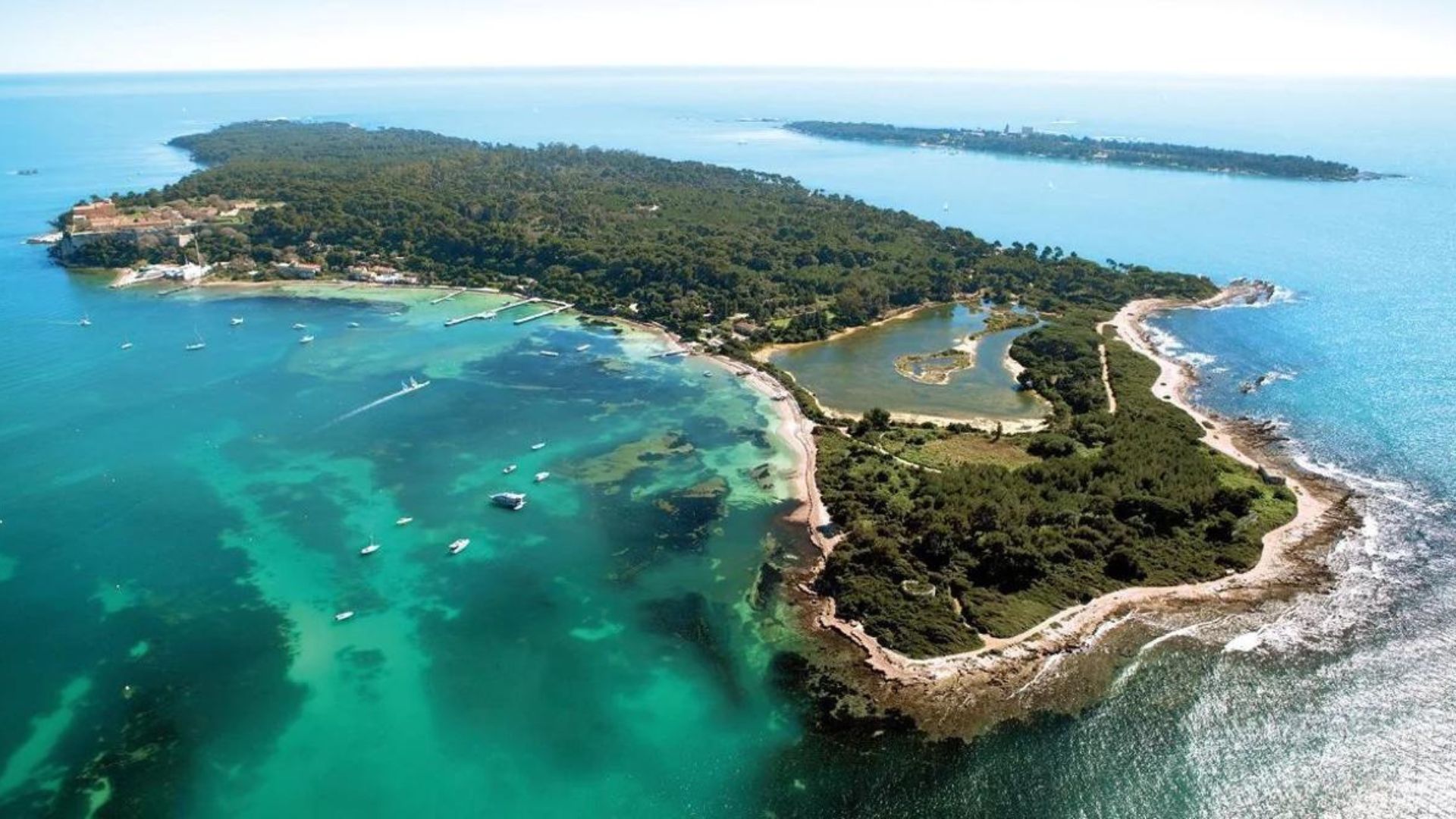
Just off the glamorous coastline of Cannes lies a completely different side of the French Riviera.
The Lérins Islands are a small archipelago of Mediterranean islands where pine forests, quiet walking trails, ancient fortifications and centuries-old monastic traditions replace the glamour and bustle of the Côte d’Azur. They are close enough to visit for a day, yet once you step ashore, Cannes seems wonderfully far away.
The two principal islands are Île Sainte-Marguerite and Île Saint-Honorat. Each has its own character: Sainte-Marguerite is the larger, more natural and historically intriguing island, while Saint-Honorat is quieter and deeply connected to the monastic life of the Lérins Abbey.
For guests staying at Gaia’s Villas in Théoule-sur-Mer, the islands make a wonderful day trip — particularly if you want to experience the Mediterranean from a completely different perspective.
Getting to the Lérins Islands
The islands can be reached by ferry from Cannes, making them an easy addition to a French Riviera itinerary. Boats also operate from other coastal locations, depending on the season and service.
And there is one wonderful rule that immediately changes the atmosphere:
There are no cars on the islands.
Once you arrive, you explore on foot, following forest paths, coastal trails and small lanes at your own pace. It is hard to imagine that the busy streets of Cannes are only a short boat ride away.
The crossing itself is part of the experience. As the boat leaves the mainland behind, the views open towards the Mediterranean, the Esterel coastline and the distinctive silhouettes of the islands.
Île Sainte-Marguerite: Forests, Beaches and the Man in the Iron Mask
The larger of the two islands, Île Sainte-Marguerite, is the perfect place for a day of walking, swimming, exploring and simply enjoying the Mediterranean.
Much of the island is covered in fragrant pine and eucalyptus forest, providing welcome shade during the warmer months. A network of paths crosses the island, taking you through woodland and along the coastline.
The atmosphere is wonderfully peaceful. There is no traffic, very little noise and none of the usual Riviera rush. Instead, you hear the wind through the trees, the sea against the rocks and, occasionally, the sound of a boat passing offshore.
Bring comfortable shoes, a swimsuit and plenty of water — the island is best enjoyed slowly.
Fort Royal and the mysterious Man in the Iron Mask
One of Sainte-Marguerite's most fascinating attractions is Fort Royal, the imposing fortress overlooking the sea.
The fort was developed as a strategic military stronghold and later became a state prison. Its most famous prisoner was the mysterious Man in the Iron Mask, whose true identity remains one of the great historical enigmas of France.
He was held at several French prisons during the reign of Louis XIV and spent part of his imprisonment at Fort Royal on Sainte-Marguerite. He died in 1703, but the mystery surrounding his identity has survived for centuries.
Was he a political prisoner? A disgraced nobleman? Someone connected to the royal family?
Nobody knows for certain — which, naturally, has provided plenty of material for historians, writers and storytellers ever since.
Today, visitors can explore the fortress and learn more about the island's military and prison history.
The Museum of the Sea
Within Fort Royal is the Musée du Masque de Fer et du Fort Royal, which explores the history of the fortress and its famous prisoner.
The island also has a strong maritime heritage, and its waters contain archaeological remains from shipwrecks dating back centuries. The surrounding Mediterranean has been an important maritime route since antiquity, and the archaeological discoveries around the islands offer a fascinating glimpse into this long history.
For anyone who enjoys combining a beach day with a little culture and history, Sainte-Marguerite is particularly rewarding.
A Walk Around the Island
One of the best things about Sainte-Marguerite is that you don't really need a complicated plan.
Follow one of the paths through the forest, stop at the coast, find a quiet place for a swim or picnic, and continue exploring.
The island is approximately three kilometres long and less than a kilometre wide, making it very manageable to explore on foot.
Along the southern and western sides, the views across the Mediterranean are spectacular. On a clear day, you can see towards the Esterel, Cannes and the surrounding coastline.
There are also places to stop for something to eat or drink near the harbour, although many visitors prefer to bring a picnic and make the most of the island's natural setting.
And if you are travelling with children, Sainte-Marguerite can be particularly fun: there is a little adventure in taking a boat to an island, wandering through a forest and discovering an old fortress — without having to spend the day in a museum.
Île Saint-Honorat: The Island of the Monks
If Sainte-Marguerite is the island of forests and history, Île Saint-Honorat is the island of spirituality, vineyards and silence.
It is the smaller of the two main Lérins Islands and has been home to a monastic community for centuries.
The island's story goes back to the early fifth century, when Saint Honoratus founded a monastery here. The monastic tradition continued through the centuries, making Saint-Honorat one of the oldest continuously inhabited monastic sites in the region.
Today, the island is home to Cistercian monks, who continue their religious life here.
Walking through Saint-Honorat is a completely different experience from visiting Sainte-Marguerite. The atmosphere is peaceful and contemplative, with vineyards, olive trees, forest paths and the sound of the sea surrounding the historic buildings.
Lérins Abbey
At the heart of the island stands the Lérins Abbey, the centre of the island's monastic community.
The monks produce a variety of products on the island, including wine and liqueurs, continuing agricultural traditions that have been part of Saint-Honorat's identity for generations.
Visitors can purchase some of these locally produced products and discover more about the island's unusual combination of spirituality, agriculture and Mediterranean landscape.
The vineyards are particularly beautiful, growing just metres from the sea. It is an extraordinary setting for wine production — and one that feels worlds away from the glamorous beach clubs of Cannes.
The Medieval Chapels and Fortified Monastery
Scattered around Saint-Honorat are historic chapels and remnants of the island's long religious history.
One of the most striking buildings is the Fortified Monastery, built in the Middle Ages as a place of refuge and defence. Its unusual architecture reflects the fact that the monks were not always living in peaceful surroundings: the Mediterranean was once a dangerous place, and the monastery needed protection from pirates and other threats.
Walking around the island, you can still discover these small pieces of history almost hidden among the vines and trees.
That is part of Saint-Honorat's charm. It does not feel like a conventional tourist attraction. It feels like a living historic place.
The Lagoon Between the Islands
The narrow stretch of water between Sainte-Marguerite and Saint-Honorat is one of the prettiest parts of the archipelago.
Its relatively sheltered waters make it a popular anchorage for sailing boats, yachts and motorboats, particularly during the summer months.
From the islands, the view across the lagoon can be spectacular: turquoise water, pine trees, rocky coastline and boats gently moving at anchor.
If you arrive by boat or spend time swimming in the area, this sheltered Mediterranean setting is one of the highlights of the trip.
Which Lérins Island Should You Visit?
If you only have time for one island, your choice really depends on what you are looking for.
Choose Île Sainte-Marguerite if you want:
Forest walks and nature
Beaches and swimming
Fort Royal and the Man in the Iron Mask
A little more space to explore
A day that works particularly well with children
Choose Île Saint-Honorat if you want:
History and spirituality
The Lérins Abbey
Vineyards and Mediterranean agriculture
A quieter and more contemplative atmosphere
Wine and locally produced monastic products
And if you have the time, why choose?
Visit both.
The islands are close together, and combining them gives you a much more complete picture of this remarkable little corner of the Mediterranean.
A Perfect Day Trip from Théoule-sur-Mer
For guests staying at Gaia's Villas, the Lérins Islands are a wonderful addition to a French Riviera holiday.
After a morning exploring Théoule and the Esterel, you can make your way towards Cannes and take a boat out onto the Mediterranean. Within a short time, the busy Riviera coastline disappears behind you and you arrive somewhere completely different.
Spend a few hours walking through the forest on Sainte-Marguerite, exploring Fort Royal and swimming in the clear Mediterranean water. Or dedicate your day to Saint-Honorat, wandering through vineyards and discovering the centuries-old monastery.
The contrast is part of the magic.
The French Riviera is famous for Cannes, Monaco, Saint-Tropez and glamorous beach clubs — but some of its most memorable experiences are found in quieter places just offshore.
The Lérins Islands are one of them.
A Different Side of the Côte d'Azur
There is something wonderfully timeless about the Lérins Islands.
They have witnessed Roman ships, medieval monks, royal prisoners, pirates, fishermen and generations of travellers — yet the basic experience today remains wonderfully simple.
You arrive by boat.
You walk.
You swim.
You explore.
You sit beneath the pines and look out over the Mediterranean.
And for a few hours, the glamorous Riviera feels very far away.
That is precisely why the Lérins Islands deserve a place on any French Riviera itinerary.
From Gaia's Villas in Théoule-sur-Mer, they are an especially beautiful way to experience the Côte d'Azur from the sea — and to discover one of the region's most peaceful escapes.