Château de La Napoule: A Fairytale Castle on the French Riviera
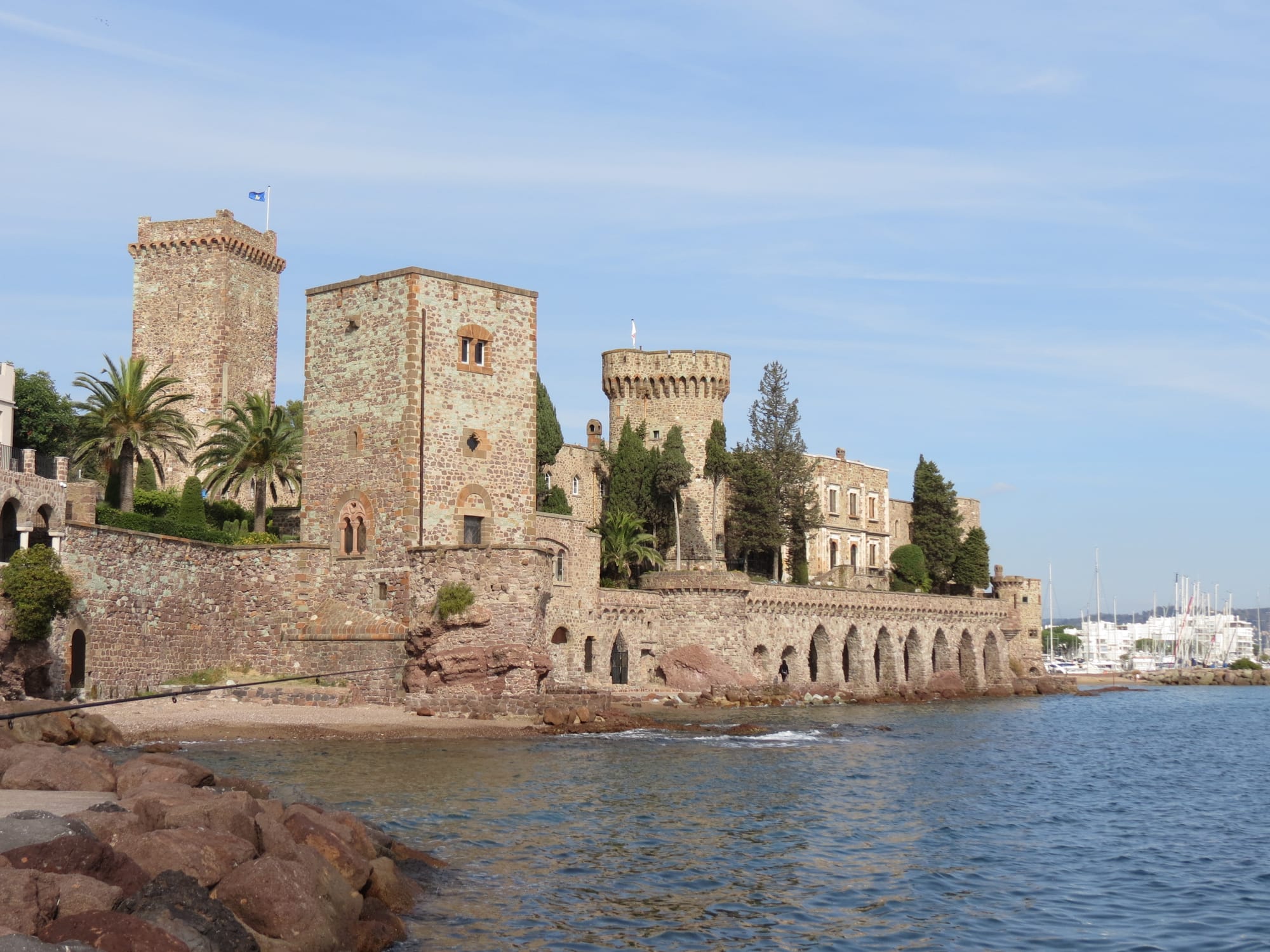
Discover one of the most enchanting and unusual places on the Côte d’Azur, where medieval history, artistic imagination and Mediterranean beauty come together. There are places on the French Riviera that are beautiful simply because of their setting. And then there are places that have a story to tell. The Château de La Napoule, just a short drive from Théoule-sur-Mer, belongs firmly to the second category. Standing directly beside the Mediterranean, with its distinctive towers, ancient stone walls, romantic gardens and spectacular sea views, this remarkable château looks as though it has stepped straight out of a fairy tale. Yet its story is considerably more unusual than that of a traditional French castle. Behind its medieval-looking walls lies the fascinating history of an American artist, his equally creative wife, and their extraordinary dream of transforming a ruined fortress into a place devoted to art, beauty and imagination. Today, the Château de La Napoule is one of the hidden cultural treasures of the French Riviera. It is a place where history meets contemporary art, where sculptures hide among flowering gardens, and where the sound of the Mediterranean accompanies almost every step. Whether you enjoy architecture, history, gardens, photography or simply discovering beautiful places away from the usual tourist attractions, a visit here is a wonderful way to spend a few hours. And the best part? It is practically on the doorstep of Théoule-sur-Mer.
A château with a story: From medieval fortress to artistic masterpiece
The history of the Château de La Napoule goes back several centuries, long before the arrival of its most famous owners. Originally built as a fortified residence by the powerful Counts of Villeneuve, the château occupied a strategically important position directly on the Mediterranean coast. Its location offered both protection and control over this stretch of coastline, which was exposed to invasions, raids and the conflicts that repeatedly troubled Provence. Over the centuries, the fortress witnessed an eventful history. It suffered attacks, destruction and periods of neglect, changing hands and purposes as the political fortunes of the region evolved. By the nineteenth century, much of the original building had fallen into ruin. What remained was a fragment of its former self: old stone walls, remnants of towers and a structure that had lost much of its medieval splendour. It might easily have disappeared altogether. But fate had other plans. In the early twentieth century, the ruins caught the attention of an American couple who would completely change their destiny.
Henry and Marie Clews: The couple who brought the château back to life
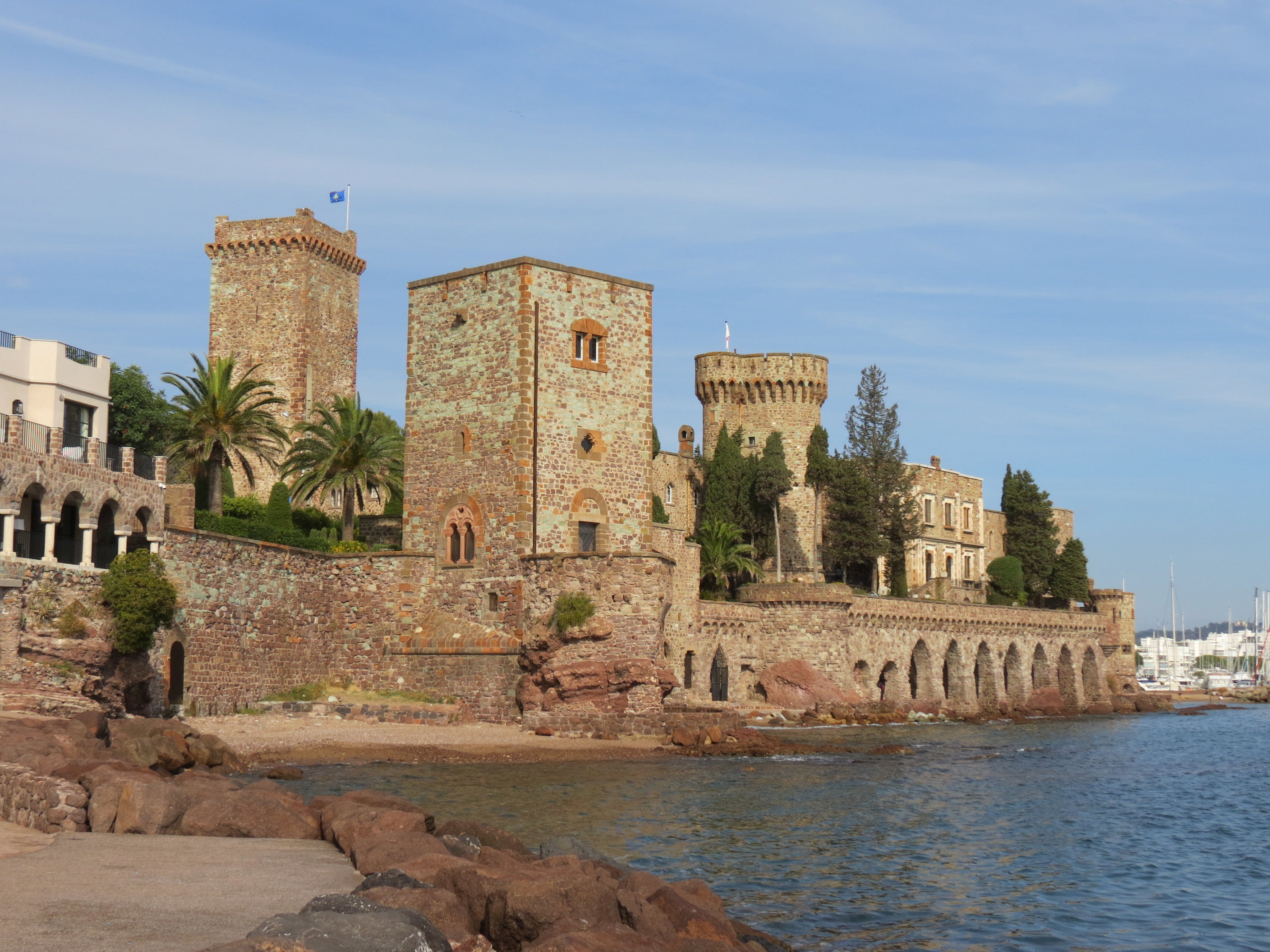
The story of the modern Château de La Napoule begins with Henry Clews Jr. and his wife Marie. Henry was an American-born artist, sculptor and painter who had developed a distinctly individual artistic vision. Born into a wealthy New York family, he chose a creative life rather than following the conventional expectations associated with his background. His imagination was unconventional, sometimes dark, often humorous and always wonderfully eccentric. He was fascinated by fantastical creatures, grotesque figures, medieval imagery and the mysterious side of human nature. Marie, born Elsie Whelen in Philadelphia in 1883, shared her husband's artistic interests but brought her own talents and sensibilities to their life together. She was particularly interested in architecture, design and landscape gardening. The couple discovered the ruined Château de La Napoule in 1918 and immediately fell in love with its extraordinary setting. For Henry, the ruins offered an opportunity to create something entirely his own. For Marie, the surrounding grounds and magnificent coastal location offered the possibility of designing a garden unlike any other. Together, they embarked on an ambitious restoration project, transforming the remains of the medieval fortress into a unique residence and artistic environment. This was not a conventional restoration intended to recreate an historically accurate medieval castle. Instead, the Clews wanted to preserve the authentic remains while allowing their imagination to shape the building. They rebuilt towers, restored sections of the walls, added architectural details and incorporated sculptures and decorative elements throughout the property. The result is a fascinating mixture of medieval inspiration, romantic architecture and artistic fantasy. One of the most charming details can be found above the entrance gate, where the words Once Upon a Time welcome visitors into the château. It is a wonderfully appropriate inscription. After all, this is a place where a ruined fortress became the setting for a very real fairy tale.
Henry Clews and his world of extraordinary sculptures
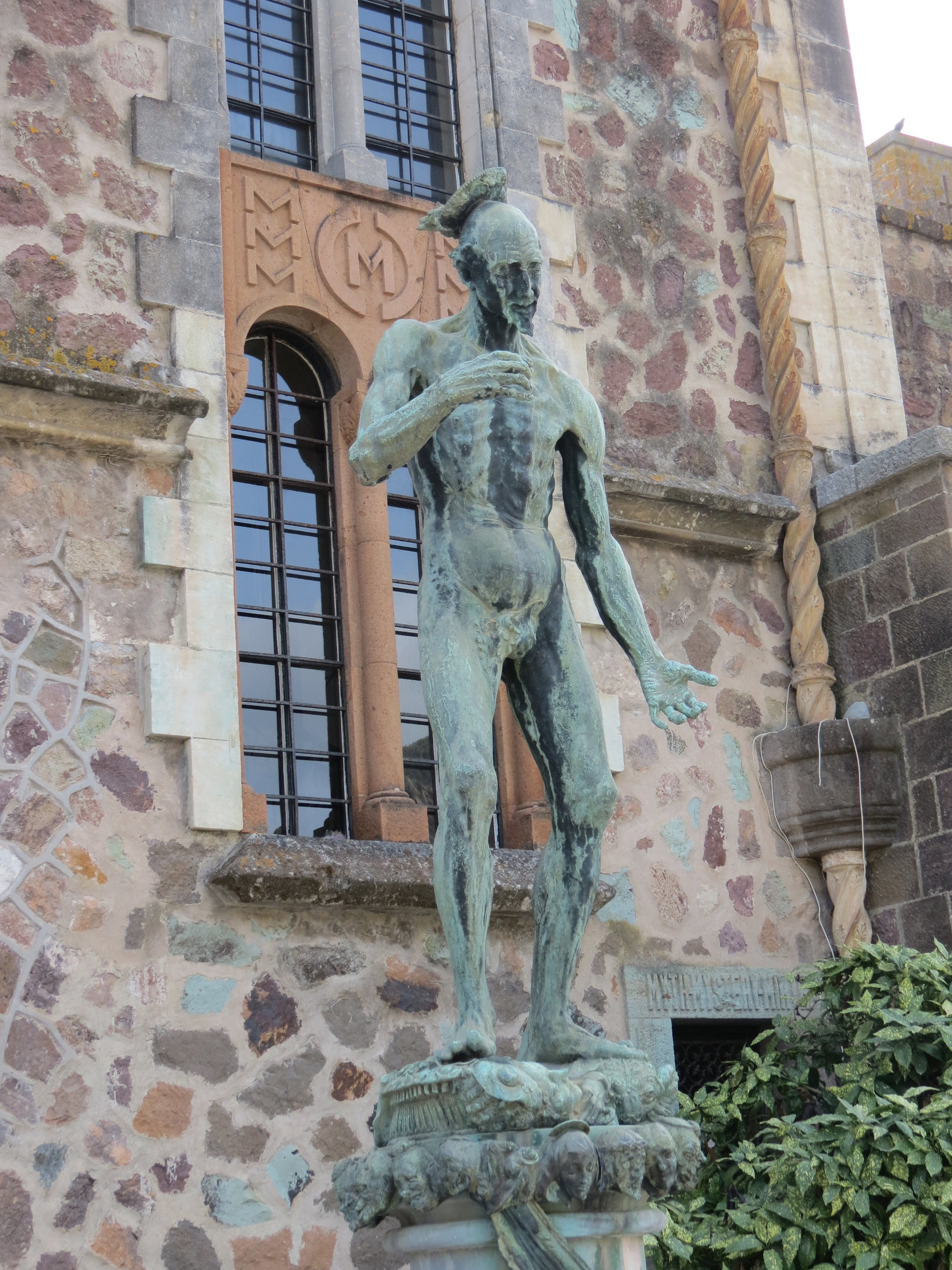
Henry Clews did not simply restore a château. He created an entire artistic universe. His sculptures are among the most distinctive features of the property. Strange creatures, mythical figures, expressive faces and fantastical characters appear throughout the building and gardens. Some are playful, others mysterious or slightly unsettling. Many seem to belong to a world somewhere between medieval mythology, fantasy and surrealism. Henry was particularly inspired by the grotesque figures found in Romanesque sculpture, and he developed a highly personal style that combined humour, symbolism and imagination. Rather than treating the château as a traditional museum, he saw the entire property as a work of art. The architecture, sculptures, decorations and surrounding landscape were all intended to form part of one coherent creative vision. This is what makes the Château de La Napoule so unusual. Its artistic personality is everywhere, from the smallest decorative detail to the imposing stone towers. During a guided visit, you can discover the interior rooms and learn more about the Clews family, their lives and their artistic work. One of the highlights is Henry's former sculpture studio, where visitors gain a glimpse into his creative world. It is also an opportunity to understand the relationship between the two founders: Henry, the sculptor and imaginative creator, and Marie, whose contribution to the château and its gardens was equally important.
Marie Clews and the enchanting gardens
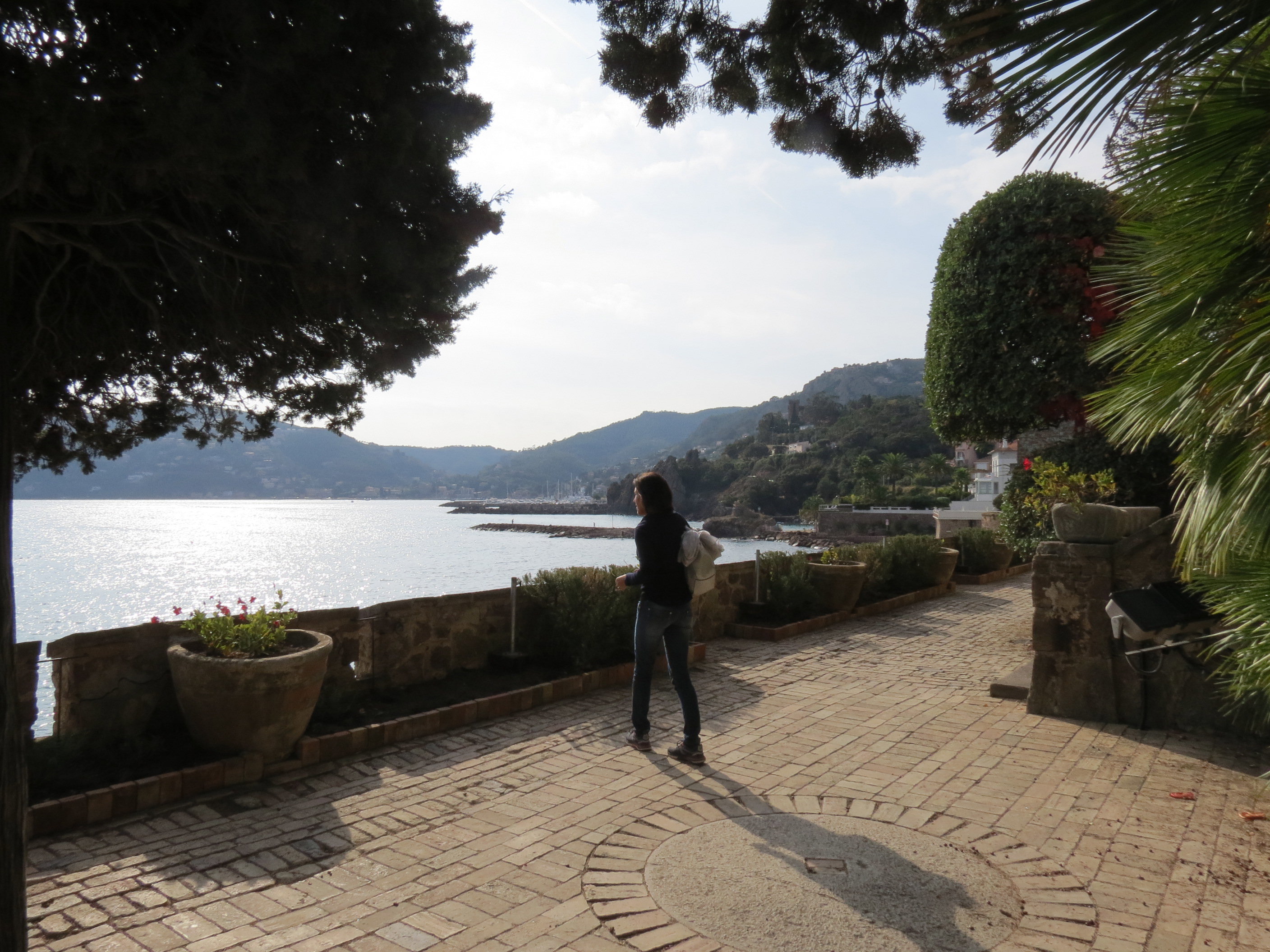
While Henry concentrated on the château and its sculptures, Marie devoted herself to the surrounding gardens. And what a wonderful achievement they are. Designed and developed between 1919 and 1937, the gardens reflect Marie's artistic sensibility and her understanding of landscape design. Rather than creating a formal French garden with perfectly symmetrical flowerbeds and rigid geometric arrangements, she designed a succession of intimate outdoor spaces, each with its own character. The gardens are divided into several distinct areas, including the main garden, the Secret Garden, the Jardin de la Mancha and terraces overlooking the sea. As you wander through them, you discover quiet corners, fountains, stone pathways, sculptures, carefully framed views and unexpected openings towards the Mediterranean. There is a lovely sense of discovery. You never quite know what awaits around the next corner. Some areas feel almost theatrical, with architectural elements and sculptures creating little scenes. Others are peaceful and secluded, inviting you to stop for a moment and enjoy the surroundings. The Secret Garden is particularly evocative, while the terraces offer beautiful views across the Bay of Cannes. Marie understood something that is perhaps easy to forget when designing a garden: a garden should not only be beautiful to look at. It should also create an experience. The Château de La Napoule gardens achieve exactly that. Their combination of Mediterranean vegetation, architectural details, artistic sculptures and sea views has earned them the French Jardin Remarquable distinction, recognising gardens of outstanding quality and heritage. For anyone who appreciates gardens, this is a particularly enjoyable part of the visit. And for photography enthusiasts, there are countless beautiful details to capture.
A castle with the Mediterranean at its feet
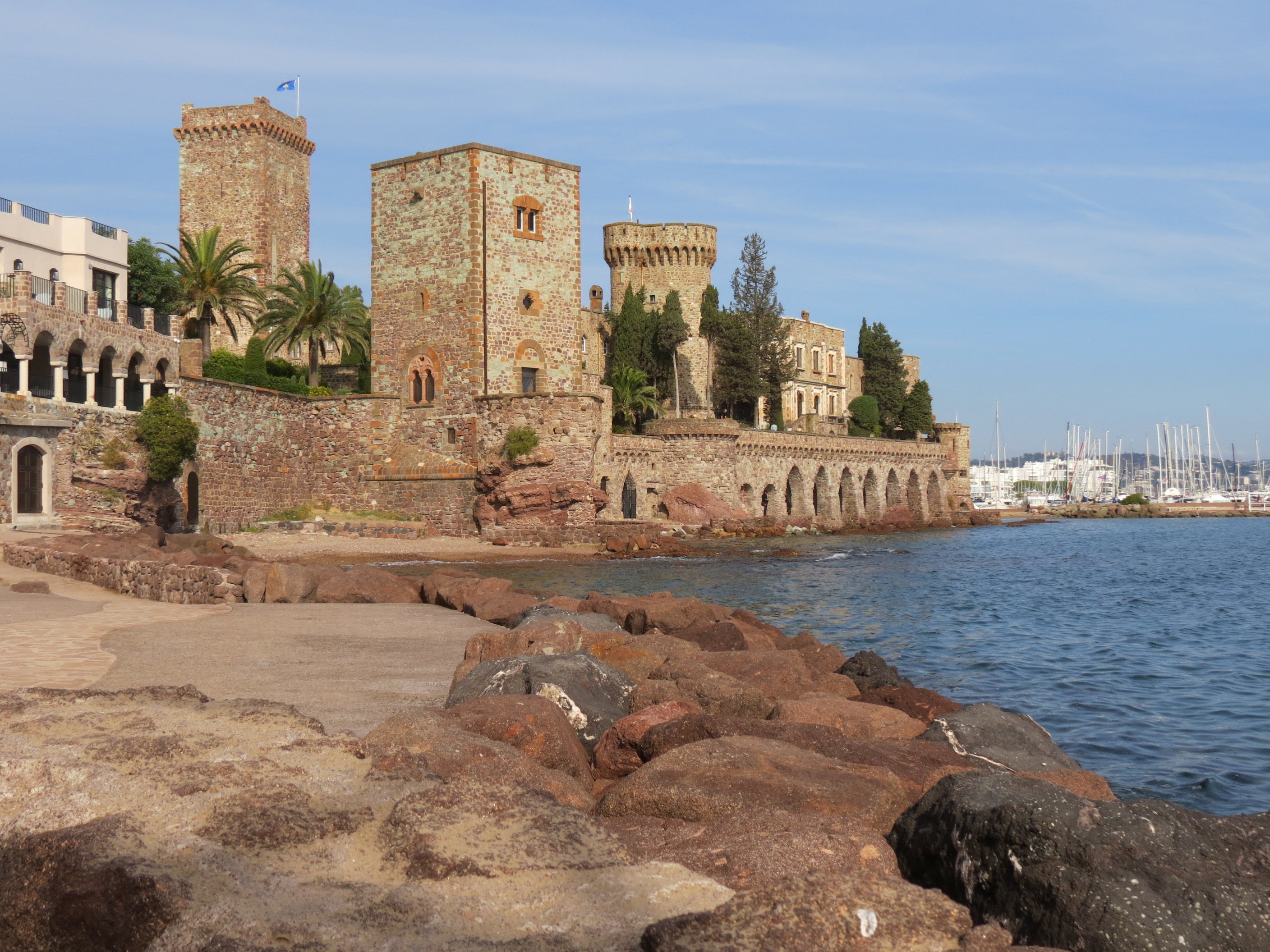
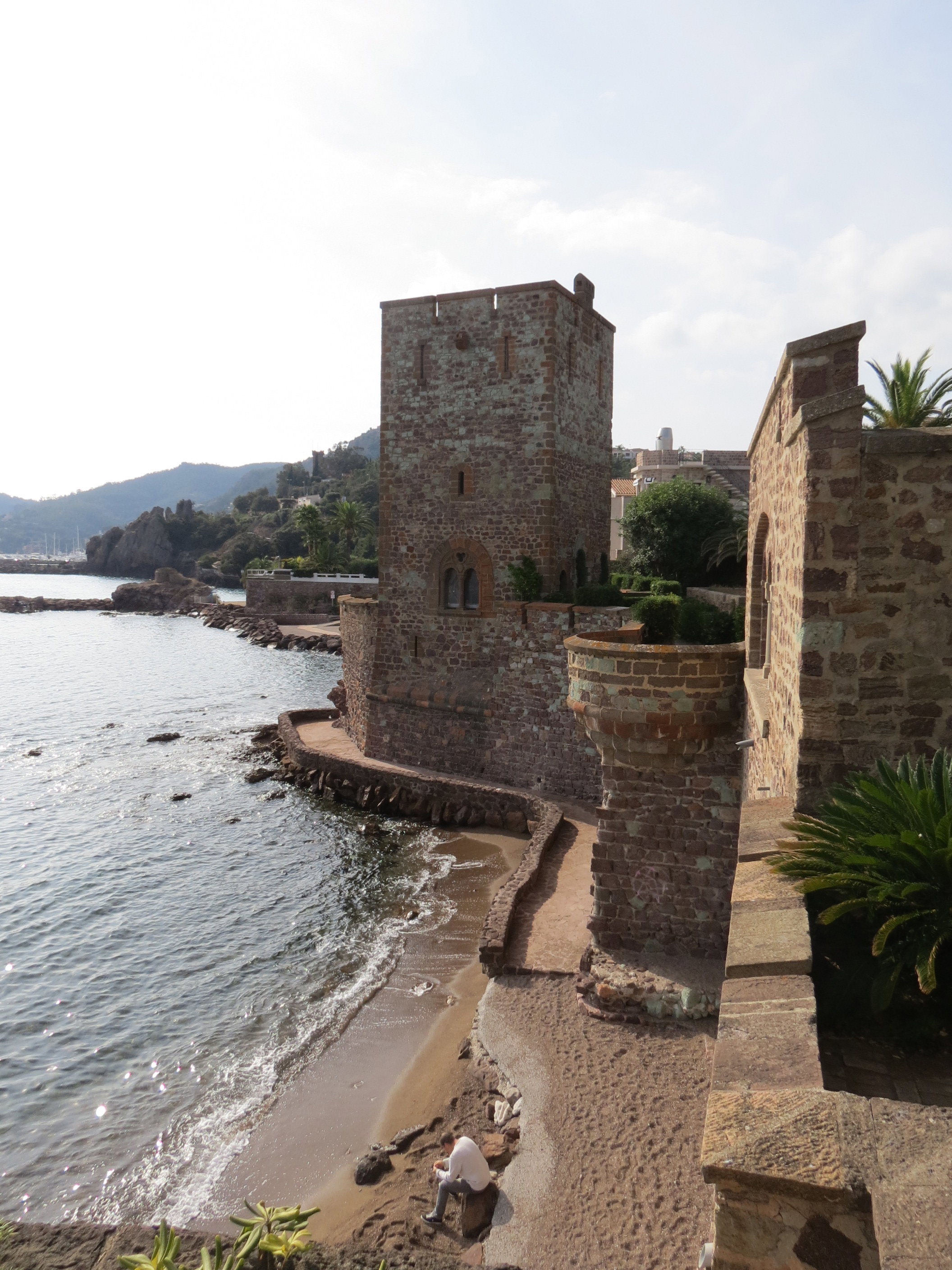
One of the things that makes the Château de La Napoule so special is its extraordinary position. Unlike many historic castles situated on hilltops or surrounded by large parks, this one stands practically at the water's edge. The Mediterranean is not simply a distant view. It is an integral part of the experience. From different parts of the gardens and terraces, you can look out across the Bay of Cannes, watch boats passing along the coast and enjoy the changing colours of the sea. The contrast between the warm reddish stone of the château, the greenery of the gardens and the deep blue Mediterranean is particularly beautiful. On a sunny afternoon, the light brings out the textures and colours of the architecture. Towards the end of the day, the setting becomes especially atmospheric, with the château appearing almost golden against the sea. It is easy to understand why Henry and Marie fell in love with this particular place. The setting itself is an inspiration.
Exploring the château: What can you see inside?
Although the exterior and gardens are already worth a visit, exploring the interior adds another dimension to the experience. The château is accessible inside through guided tours, which introduce visitors to its history, the Clews family and the artistic world they created. The tour takes approximately 45 minutes to one hour and includes some of the principal rooms and Henry's sculpture studio. Inside, you discover a building that is every bit as individual as its exterior suggests. The rooms contain artistic details, decorative features and sculptures that reveal the extraordinary imagination of their former owners. It is particularly interesting to learn how much of the château reflects the personalities of Henry and Marie rather than following the conventions of a traditional historic residence. The guided visit also gives an insight into the couple's life at La Napoule and the considerable effort involved in bringing their vision to life. The gardens can be explored independently, allowing you to take your time, wander at your own pace and enjoy the setting .If you are interested in art, architecture or history, I would definitely recommend combining the garden visit with a guided tour of the château. It gives you a much fuller appreciation of the place.
La Napoule: A charming seaside neighbourhood to explore
A visit to the château is also an excellent opportunity to discover the historic seaside neighbourhood of La Napoule. Today part of Mandelieu-la-Napoule, La Napoule has retained a character of its own. It is a pleasant mix of traditional Riviera atmosphere, a lively marina, small streets, restaurants and sandy beaches. The château is the natural focal point, but there is more to discover in the immediate surroundings. Just outside the château, the small historic streets invite you to take a leisurely stroll. You will find charming corners, little squares, cafés and local shops, with the atmosphere changing throughout the day and according to the season. The area is particularly pleasant for an unhurried walk.
The harbour and marina
The marina of La Napoule is one of the most attractive places to spend a little time. The harbour is home to an interesting collection of boats, from smaller pleasure craft to impressive yachts, and the quayside offers lovely views across the water. It is a wonderful place for a stroll, particularly in the late afternoon, when the light reflects off the boats and the surrounding hills. There are several restaurants and cafés around the harbour, making it a convenient place to stop for lunch, an aperitif or dinner. If you enjoy watching boats and soaking up the atmosphere of a Mediterranean port, you will feel very much at home here.

Beaches and seaside walks
La Napoule also has several lovely beaches. The beach directly below the château is particularly picturesque, with the medieval walls providing a beautiful backdrop to the Mediterranean. It is a lovely spot for a swim during the warmer months, or simply to sit and admire the view. Further along the coast, the beaches of Raguette and Rague offer additional opportunities to enjoy the seaside. One of the nicest ways to explore this stretch of coastline is to follow the seaside paths around the château and towards the neighbouring beaches. The famous coastal path, known as the Sentier des Douaniers, takes you along a particularly scenic section of the Mediterranean shoreline. It is a lovely reminder that the French Riviera is not only about beautiful houses and glamorous beach clubs. Some of its most memorable experiences are found simply by walking along the coast.
Mont San Peyre: A beautiful viewpoint above La Napoule
If you enjoy walking and discovering places from a different perspective, there is another lovely excursion nearby. Mont San Peyre, a wooded hill overlooking Mandelieu and La Napoule, offers beautiful panoramic views of the surrounding coastline. The hill is covered with Mediterranean vegetation, including cork oaks and holm oaks, and has several walking paths. At its summit, you can enjoy wonderful views over the Bay of Cannes, the Lérins Islands, the Esterel mountains and the surrounding coastline. There are also remains of an ancient fortified site, adding another historical element to the walk. It is a particularly nice excursion for those who enjoy nature and a little exercise. The views are well worth the effort, and the setting provides a lovely contrast to the more cultivated atmosphere of the château gardens. You can combine the walk with a visit to La Napoule, although it is worth allowing extra time if you plan to explore both.
The La Napoule Art Foundation: Keeping the creative spirit alive
The château is not simply a historical monument preserved for visitors. It continues to play an active role in the artistic life of the region through the La Napoule Art Foundation. Marie Clews established the foundation in 1951, following Henry's death, with the aim of continuing their shared belief in the importance of art and cultural exchange. Today, the foundation welcomes artists from around the world through residency programmes, workshops and cultural initiatives. Artists working in different disciplines are given the opportunity to develop their projects in this inspiring environment, surrounded by the same Mediterranean landscape that captivated Henry and Marie more than a century ago. The foundation also supports educational and community programmes, helping introduce art and creative expression to younger generations. This continuing artistic activity gives the château a special character. It is not simply a place looking backwards towards its history. It remains a living creative environment, faithful to the original spirit of its founders. And perhaps that is the most beautiful part of the Clews legacy: their dream continues long after they are gone.
Why the Château de La Napoule is worth visiting
There are many beautiful historic buildings on the French Riviera, but very few combine so many different experiences in one place. The Château de La Napoule is a fascinating destination for anyone interested in history, but you certainly do not need to be a history enthusiast to enjoy it. The gardens are beautiful, the architecture is unusual, the sculptures are wonderfully eccentric and the setting beside the Mediterranean is exceptional. It is also a relatively relaxed outing compared with some of the busier attractions along the Côte d'Azur. You can spend an hour exploring the gardens, join a guided tour, take photographs, enjoy a walk along the coast and finish with lunch or a drink at the harbour. For families, it offers an interesting cultural experience, and younger visitors can enjoy discovering the sculptures and exploring the gardens. A free treasure hunt is also available for children during garden opening periods. For couples, it is a particularly romantic place to visit. And for anyone who simply loves beautiful architecture and Mediterranean scenery, it is an absolute pleasure.
Planning your visit
Where is it? The Château de La Napoule is located in Mandelieu-la-Napoule, in the Alpes-Maritimes, between Cannes and Théoule-sur-Mer.Address: Avenue Henry Clews, 06210 Mandelieu-la-Napoule, France.
How to get there from Théoule-sur-Mer The château is only a short drive from Théoule-sur-Mer, making it an easy half-day excursion from Gaia's Villas. You can also reach La Napoule by train, as the local railway station is within walking distance of the château.
How much time should you allow? I would recommend allowing approximately two to three hours for a relaxed visit, including the gardens, a guided tour and a stroll around the immediate surroundings. Allow a little longer if you would like to have lunch at the harbour or explore the coastal paths.
When is the best time to visit? Spring and early summer are particularly lovely, when the gardens are green and full of life. September and October are also wonderful months, with pleasant temperatures and beautiful Mediterranean light. During the summer, an early or later visit is a good idea to avoid the hottest hours of the day.
Opening hours and guided tours Opening arrangements vary according to the season. The gardens are generally open from Tuesday to Sunday between April and September, while opening hours are more limited during the autumn and winter months. The interior of the château can only be visited on a guided tour. Tours generally last 45 minutes to one hour, with French as the main language and translations available in English, German, Italian and Spanish. Opening hours, tour availability and ticket information can change, and occasional private events may affect public access. It is therefore best to check the official website before setting off:www.chateau-lanapoule.com
A little piece of Riviera magic
The Château de La Napoule is one of those places that stays with you. Perhaps it is the contrast between its medieval walls and the sparkling Mediterranean. Perhaps it is the extraordinary sculptures, the beautiful gardens or the story of two people who decided to turn an abandoned ruin into something truly unique. Whatever the reason, there is something undeniably special about this little corner of the French Riviera. It reminds us that the Côte d'Azur has so much more to offer than its famous beaches, fashionable restaurants and glamorous resorts. It is also a region of fascinating history, artistic inspiration, hidden gardens and unexpected discoveries. And the Château de La Napoule brings all of these things together in one beautiful setting. If you are staying in Théoule-sur-Mer, make sure you put it on your list of places to discover. It is close enough for an easy outing, yet special enough to feel like a little journey into another world. After all, how often do you get to visit a real fairytale castle right beside the Mediterranean? And this one has quite a story to tell.