Èze Village: A Medieval Jewel Suspended Between the Mountains and the Mediterranean
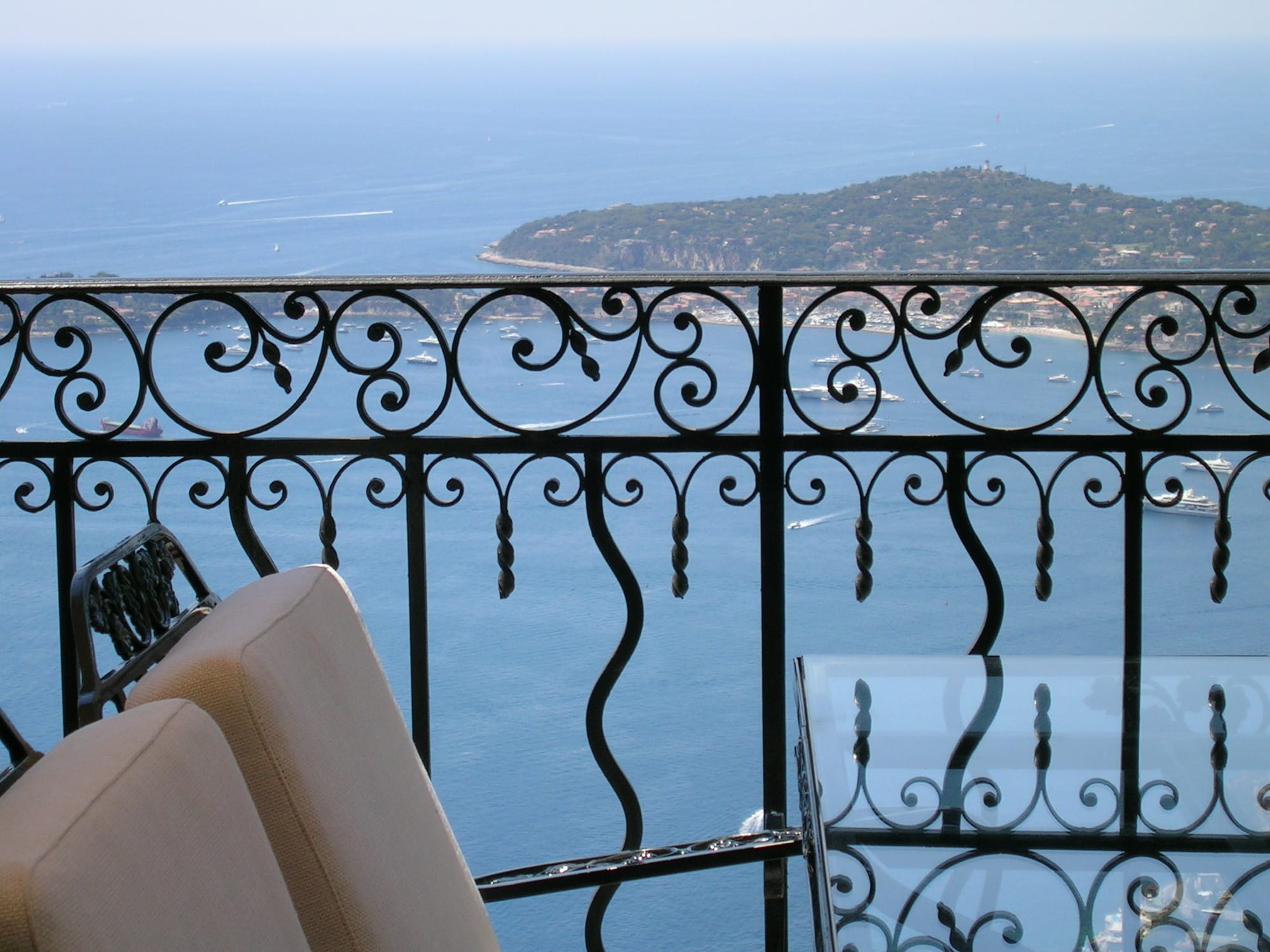
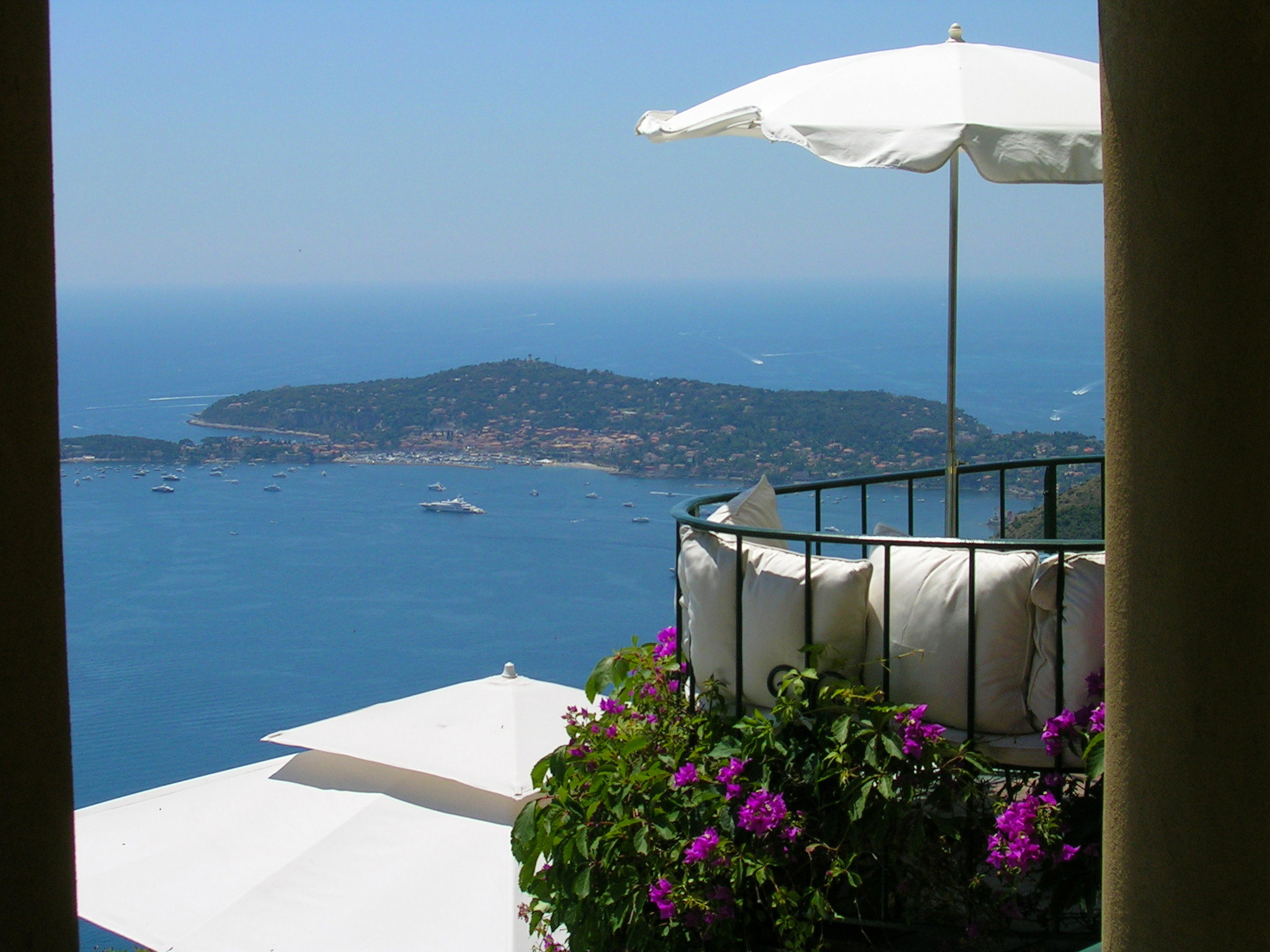
Discover one of the most enchanting villages on the French Riviera, where ancient stone streets, spectacular sea views, exotic gardens and the timeless art of French perfumery come together. There are places on the French Riviera that impress you with their glamour, others that charm you with their beaches, and then there is Èze. Perched dramatically on a rocky outcrop high above the Mediterranean, this extraordinary medieval village seems to belong to another time. Its winding cobbled streets, ancient stone houses, flower-filled corners and breathtaking viewpoints create an atmosphere that is difficult to find anywhere else along the coast. Located between Nice and Monaco, Èze is one of the most recognisable villages of the Côte d’Azur. From a distance, its cluster of terracotta rooftops appears almost to grow directly out of the mountain, while the Mediterranean stretches endlessly below. On clear days, the views are simply spectacular, reaching along the coastline and towards the distant mountains of the Esterel. But Èze is much more than a beautiful viewpoint. Behind its picturesque appearance lies a fascinating history shaped by centuries of Mediterranean trade, conflicts, changing rulers and the traditions of Provence. Today, it is a wonderful combination of heritage, architecture, botanical beauty, artisan boutiques and the unmistakable fragrance of French perfume. Whether you are visiting for a leisurely afternoon, a romantic lunch overlooking the sea or a full day exploring the surrounding coastline, Èze is a destination that deserves a place on any French Riviera itinerary. Let's discover what makes this remarkable village so special.
1. Èze: The Eagle's Nest of the French Riviera
The first thing you notice about Èze is its extraordinary location. The medieval village stands approximately 429 metres above sea level, occupying the summit of a steep rocky promontory between Nice and Monaco. Its elevated position made it a naturally defensible settlement, but it also created one of the most spectacular settings on the entire French Riviera. Èze is often described as an eagle's nest, and it is easy to understand why. The village appears almost inaccessible from below, with its medieval buildings clustered tightly around the summit and its narrow streets following the contours of the rock. Unlike many Riviera destinations that developed around their harbours and beaches, Èze grew upwards, protected by its elevated position and surrounded by steep slopes. The commune itself extends from the Mediterranean shoreline to the higher reaches of the Grande Corniche, meaning that Èze is actually made up of several distinct areas. There is Èze-sur-Mer, down by the coast, the medieval Èze Village halfway up the mountain, and the higher natural landscapes around the Grande Corniche. It is important not to confuse the two main destinations. Èze-sur-Mer is a small seaside area with a beach and railway station, while Èze Village is the famous medieval settlement perched high above the sea. And it is the village that attracts visitors from all over the world. As you approach, the panorama becomes increasingly impressive. The Mediterranean seems to unfold beneath you, the coastline curves towards Monaco and Italy, and the surrounding hills provide a dramatic natural backdrop. There is something almost theatrical about arriving in Èze. It is one of those rare places where the setting is every bit as memorable as the destination itself.
2. A Village Shaped by Centuries of History
The history of Èze is closely connected to its strategic position above the Mediterranean. The surrounding region has been inhabited since ancient times, and the rocky heights offered an ideal location from which to observe and defend the coastline. Over the centuries, different civilisations and powers left their mark on the area, including the Romans and the various rulers of Provence and the House of Savoy. The medieval settlement developed around a fortified stronghold. Its elevated position was not chosen for picturesque views, of course, but for protection. From the summit, inhabitants could observe movement along the coast and seek shelter behind the village's defensive walls. During the Middle Ages, Èze became part of a region frequently affected by political and military struggles. Its history was influenced by the competing interests of Provence, the County of Nice and the House of Savoy. The village was eventually fortified and its castle became an important defensive structure. However, its strategic importance also made it vulnerable. In 1706, during the War of the Spanish Succession, the fortress was destroyed on the orders of Louis XIV. The destruction marked the end of Èze as a fortified stronghold, although the village itself survived and gradually developed into the settlement we see today. One particularly interesting chapter in the region's history concerns the changing political identity of the County of Nice. For centuries, this territory belonged to the House of Savoy and subsequently the Kingdom of Sardinia. In 1860, following the agreement between Napoleon III and Victor Emmanuel II, the County of Nice was annexed to France. The inhabitants of Èze, like those of the surrounding territory, participated in the vote associated with this political change. This history is still reflected in the architecture, culture and traditions of the region, where French and Italian influences blend in a particularly distinctive way. Walking through Èze today, it is difficult to imagine the military conflicts that once shaped its existence. The old defensive passages have become charming pedestrian streets, former fortified buildings have been transformed into restaurants and boutiques, and the ruins of the ancient fortress now provide one of the most extraordinary viewpoints on the Riviera.
3. Getting Lost in the Medieval Streets
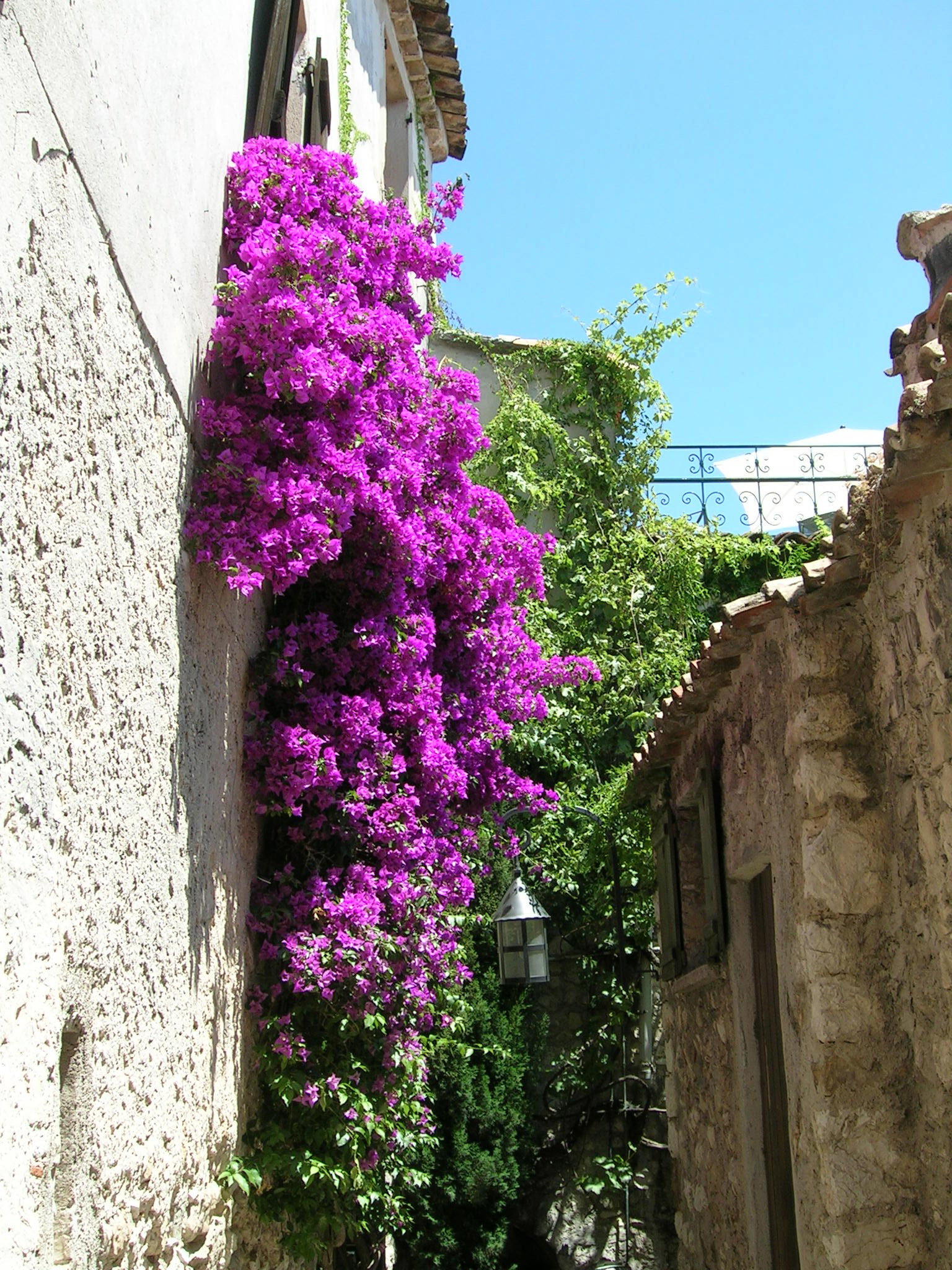
The best way to discover Èze is simply to walk. There is no need for a strict itinerary or a complicated sightseeing plan. In fact, one of the greatest pleasures of visiting the village is allowing yourself to wander through its narrow streets and discover its little corners along the way. The entrance to the medieval village opens into a maze of cobbled lanes, stone staircases, vaulted passages and tiny squares. Buildings seem to lean towards one another, creating shaded corridors that provide welcome relief on warmer days. Many of the houses date back several centuries, although they have naturally undergone modifications and restorations over time. Their traditional stone façades, wooden doors, old shutters and climbing plants give the village its unmistakable character. Look out for the little details: an ancient doorway, a beautiful wrought-iron sign, a fountain tucked into a corner, or a colourful arrangement of flowers against an old stone wall. The village is also home to a surprising number of small artisan boutiques, art galleries, jewellery shops and craft workshops. You will find locally inspired decorative objects, ceramics, textiles, paintings and carefully selected souvenirs. Of course, some shops cater very much to the tourist trade, but there are still lovely discoveries to be made if you take your time. One of the things I particularly love about villages like Èze is their ability to reveal something new around every corner. A staircase may suddenly open onto a spectacular sea view, while a narrow passageway might lead to a quiet courtyard that feels completely removed from the bustle of the main streets. Take your time, explore the side lanes and don't spend the entire visit looking at your phone. Some of the loveliest moments in Èze are the ones you stumble upon unexpectedly. A little practical warning: Èze is built on a steep hillside. Comfortable walking shoes are essential, as the streets are uneven and there are plenty of steps. High heels and slippery sandals are not your friends here!
4. The Exotic Garden: A Spectacular View from the Top
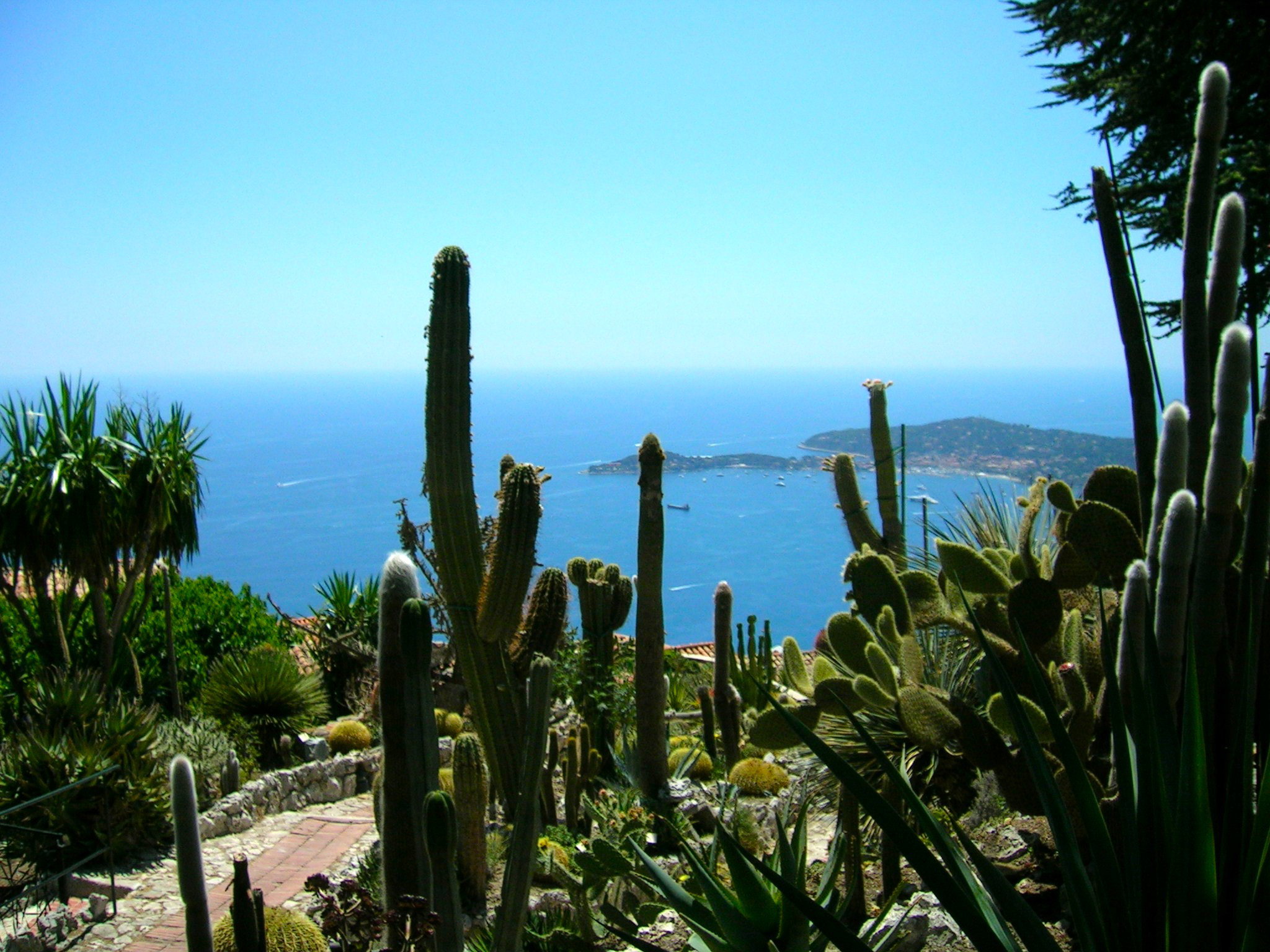
If there is one attraction that should not be missed during a visit to Èze, it is the Jardin Exotique. Located at the very summit of the medieval village, the Exotic Garden occupies the site of the former medieval fortress. It combines a remarkable botanical collection with one of the finest panoramic viewpoints on the French Riviera. At approximately 429 metres above the Mediterranean, the garden offers extraordinary views over the coastline. On particularly clear days, the panorama extends towards the Esterel mountains and the Gulf of Saint-Tropez. The garden itself is divided into different environments. The southern section is dedicated primarily to plants adapted to dry climates. You will find an impressive collection of cacti, agaves, aloes and other succulents originating from different parts of the world. These plants have developed fascinating ways of surviving in environments where rainfall is scarce. Their unusual shapes, sculptural forms and contrasting colours make them particularly striking against the Mediterranean landscape. The northern section offers a completely different atmosphere. Here, the environment is cooler and more sheltered, with Mediterranean vegetation, plants from humid regions, caves and a waterfall. There is also a peaceful Zen-inspired area with water features, benches and shaded spots where visitors can pause and enjoy the surroundings. Throughout the garden, sculptures by artist Jean-Philippe Richard add an artistic dimension to the botanical experience. Their human forms create an interesting contrast with the natural landscape and the ancient stone remains of the fortress. But let's be honest: the views are the real showstopper. From the different terraces and viewpoints, you can look down over the terracotta rooftops of Èze and out across an almost impossibly blue Mediterranean. The coastline appears to stretch into infinity, with the mountains providing a dramatic backdrop. It is a wonderful place for photography, but also somewhere to simply stop, take a breath and appreciate the extraordinary geography of the French Riviera. Practical information The garden is open throughout the year, although opening hours vary according to the season.
- January, February, March, November and December: 9:00 am–4:30 pm.
- April, May, June and October: 9:00 am–6:30 pm.
- July, August and September: 9:00 am–7:30 pm.
The standard adult admission is €10 according to the garden's published tariff. Children under 12 enter free, and reduced rates apply to eligible visitors. Allow approximately one hour for the garden, although photography enthusiasts and anyone who enjoys taking in the scenery may want to stay longer. Please note that the garden is not wheelchair accessible due to its steep paths and uneven terrain.[IMAGE: Exotic Garden with cacti and the Mediterranean coastline in the background]
5. The Church of Notre-Dame-de-l'Assomption
Another beautiful landmark in the village is the Church of Notre-Dame-de-l'Assomption. Its elegant ochre façade and distinctive neoclassical appearance make it one of Èze's most recognisable buildings. The church was constructed in the eighteenth century and consecrated in 1764.At first glance, its exterior is relatively restrained. Step inside, however, and you discover a much richer Baroque interior. Decorative altarpieces, religious paintings, trompe-l'œil details and ornamental elements create a striking contrast with the simplicity of the outside façade. The church reflects the strong religious traditions of the region and the artistic influences that travelled between Provence, Nice and Italy over the centuries. It is worth stopping here even if you are not particularly interested in religious architecture. The interior provides a fascinating glimpse into the artistic tastes and traditions of the period. The surrounding square is also a lovely place to pause during your walk through the village.As with many historic churches, access may occasionally be restricted for religious services or other reasons, so it is worth checking locally before planning your visit around it.
6. Discover the Art of French Perfumery
The French Riviera and perfume have a long and fascinating relationship, and Èze offers visitors an opportunity to discover this world at close quarters. The nearby town of Grasse is internationally recognised as the historic capital of perfume, but you do not need to travel all the way there to discover the secrets of fragrance production. Èze is home to two famous perfume houses: Fragonard and Galimard. Both offer visitors an introduction to the traditional techniques behind perfume creation, including the selection of raw materials, the extraction of aromatic compounds and the delicate art of blending different fragrances.
Fragonard
The House of Fragonard was established in Grasse in 1926 and named after the eighteenth-century painter Jean-Honoré Fragonard, who was born in the town. Its laboratory in Èze offers visitors the opportunity to discover aspects of perfume and cosmetic production. Guided tours explain how fragrances are developed and manufactured, offering an interesting insight into an industry that has become synonymous with the French Riviera. The visit is particularly enjoyable because it allows you to see a different side of the region. Beyond the beaches, restaurants and beautiful villages, there is a remarkable tradition of craftsmanship that has been passed down through generations.
Galimard
Another historic name is Galimard, a perfume house founded in Grasse in 1747.Its Èze premises combine a perfume boutique and factory-museum experience, with opportunities to discover the history of the house and the techniques behind fragrance creation. For those who are particularly interested in perfume, some workshops offer the possibility of creating a personalised fragrance. Imagine leaving the village with a perfume that you have composed yourself. It is certainly a more memorable souvenir than another refrigerator magnet! Both perfume houses offer a fascinating experience, even for visitors who have little previous knowledge of the industry. Guided tours are generally free, although special workshops may involve an additional charge. Check the individual establishments for current opening hours and availability before visiting.
7. The Nietzsche Path: Walking in the Footsteps of a Philosopher
For visitors who enjoy walking and beautiful landscapes, the famous Nietzsche Path offers one of the most memorable experiences in the Èze area. The Chemin de Nietzsche connects Èze-sur-Mer, down at sea level, with the medieval village high above the coast. The path is named after the German philosopher Friedrich Nietzsche, who spent time on the French Riviera during the 1880s.Nietzsche was a great believer in walking as an essential part of his creative process. During his stays in the region, he regularly walked the steep paths between the coast and the village. It was during this period that he worked on the third part of his philosophical work Thus Spoke Zarathustra (Also sprach Zarathustra).The landscape around Èze provided a source of inspiration, and the connection between the philosopher and this particular route has become an enduring part of the village's identity. Today, the Nietzsche Path is one of the best-known hiking routes on the French Riviera. The route is approximately 3.8 kilometres long, with an elevation difference of around 365 metres. It generally takes about 1 hour and 30 minutes to complete, depending on your pace and the number of stops. The walk is classified as moderately difficult, and it is important to remember that this is a genuine uphill or downhill hike rather than a leisurely village stroll. The terrain includes steps, rocky sections and uneven surfaces. Proper walking shoes are strongly recommended, and the route can become particularly demanding during the summer heat. The reward, however, is considerable. As you make your way up or down the hillside, the Mediterranean gradually reveals itself through the vegetation. The scenery changes constantly, with beautiful views of the sea, the surrounding mountains and the coastline. Which direction should you walk? There are two possibilities. Walking uphill from Èze-sur-Mer to Èze Village is the traditional route, following in Nietzsche's footsteps. It is physically demanding, particularly in warm weather. Walking downhill from the village towards the coast is generally less strenuous, although the steep sections and uneven steps still require care. An excellent option is to arrive at Èze Village by car or bus, explore the village and garden, and then descend towards Èze-sur-Mer if you are comfortable with the hike. You can return by train from Èze-sur-Mer, or arrange transport back to your starting point. Do not underestimate the route, particularly if you are travelling with young children or anyone who is not accustomed to hiking.[IMAGE: Scenic section of the Nietzsche Path overlooking the Mediterranean]
8. Èze-sur-Mer: The Village's Seaside Counterpart
Although most visitors come specifically for the medieval village, the coastal area of Èze is also worth discovering. Èze-sur-Mer has a completely different atmosphere. Instead of narrow medieval streets and steep stone staircases, you will find a small seaside community, a railway station, Belle Époque villas and a beach bordered by Mediterranean vegetation. The beach is a lovely place to enjoy a quieter moment by the water, particularly outside the busiest summer months. The coastline here is beautiful, with the characteristic deep blue water of this part of the Mediterranean and the surrounding mountains rising dramatically behind the shore. Èze-sur-Mer is also an interesting starting point for the Nietzsche Path, making it possible to combine a morning hike with an afternoon exploring the medieval village. The railway station provides convenient connections along the coast, including towards Nice, Monaco and Menton. For visitors who have a little more time, combining the two areas offers a more complete picture of Èze: the medieval settlement above and the Mediterranean coastline below.
9. Fine Dining, Romantic Terraces and Beautiful Places to Stop
Èze is also an excellent destination for anyone who enjoys good food and beautiful settings. The village has developed a reputation for exceptional dining, with several restaurants taking full advantage of its spectacular location. Some establishments are among the most prestigious gastronomic addresses on the French Riviera, while others offer a more relaxed atmosphere for lunch or a drink. One of the most famous is La Chèvre d'Or, located within the historic village. Its celebrated gastronomic restaurant is renowned for its refined cuisine and extraordinary setting overlooking the Mediterranean. The property occupies several historic buildings and terraces within the village, creating a particularly special atmosphere. Another prestigious address is Château Eza, a beautiful boutique hotel and restaurant set within the medieval streets. Its terraces offer wonderful views across the coastline, making it an attractive choice for a romantic lunch, dinner or simply a special occasion. For something less formal, there are smaller restaurants and cafés scattered throughout the village, where you can enjoy a leisurely lunch, a coffee or a refreshing drink between sightseeing stops. One of the pleasures of Èze is that you do not necessarily need a big restaurant reservation to enjoy the scenery. Sometimes a simple coffee on a terrace overlooking the Mediterranean is quite enough. A word of advice: the most prestigious restaurants can be expensive, and reservations are recommended, particularly during the high season. If you are planning a special meal, it is worth checking menus and prices in advance.
10. Art, Boutiques and Little Treasures
Beyond the main historical attractions, Èze is a wonderful place to browse. The village has a strong artistic and artisanal character, with small galleries, jewellery shops, boutiques and workshops occupying many of its historic buildings. You will find ceramics, decorative objects, paintings, handmade accessories and pieces inspired by the colours and landscapes of Provence. Some shops specialise in local products, including olive oil, soaps, scented candles and traditional Provençal gifts. The perfume boutiques are particularly popular, of course, but it is worth looking beyond the most obvious shopping stops. The village's artistic atmosphere is part of what makes it so appealing. It is not simply an open-air museum of medieval architecture; it is also a living place where people continue to work, create and trade. Take the opportunity to explore some of the smaller side streets, where you may discover a lovely little gallery or an artisan shop that you would otherwise have missed. And if you enjoy photography, bring your camera. Èze is full of beautiful compositions: old stone against bright blue skies, flowers framing ancient doorways, colourful shutters and spectacular views appearing unexpectedly between buildings.
11. The Best Time to Visit Èze
Èze can be visited throughout the year, but the experience varies considerably depending on the season.
Spring (April to June) is one of the loveliest times to visit. Temperatures are generally pleasant, the surrounding vegetation is fresh and green, and the village is often less crowded than during the peak summer months.
Summer (July and August) brings the liveliest atmosphere, but also the largest number of visitors. The narrow streets can become busy, particularly between late morning and mid-afternoon. If you are visiting in summer, I strongly recommend arriving early in the morning or later in the afternoon.
Autumn (September and October) is another excellent period. The sea is often still warm, temperatures become more comfortable and the light over the Mediterranean can be particularly beautiful.
Winter offers a completely different experience. The village is quieter, and on clear days the views can be magnificent. However, some restaurants and establishments may operate reduced hours or close seasonally, so checking ahead is advisable.For photography, early morning and late afternoon are particularly attractive. The softer light brings out the warm tones of the old stone buildings and creates beautiful contrasts with the blue sea.If you can, avoid the busiest midday hours, especially during July and August.
12. How to Get to Èze Village
Èze is conveniently located between Nice and Monaco and can easily be included in a day trip along the eastern French Riviera.
By car
Driving is one of the most convenient ways to reach Èze Village, particularly if you are exploring the region independently. From Nice, the journey generally takes around 20–30 minutes, depending on traffic and your chosen route. From Monaco, allow approximately 15–20 minutes. The village can be reached via the Moyenne Corniche, which itself offers some beautiful views of the surrounding landscape. There are several paid parking facilities near the village, including the underground Eiffia car park at Place du Général-de-Gaulle and the parking areas at La Colette and Figuiera. During the high season, parking can become difficult, so arriving early is a sensible idea.
By bus
Èze is also accessible by public transport. Bus services connect the village with Nice and other nearby coastal destinations. Depending on your starting point, you can use Lignes d'Azur services or regional Zou! buses. Bus route 82 and regional service 602 connect Nice with Èze Village, while route 83 links Èze-sur-Mer and the village, passing through the coastal area. Always check the current timetable before travelling, as services and schedules can change.
By train
There is no railway station in the medieval village itself. The nearest station is Èze-sur-Mer, located down by the coast. From there, you can take a bus or taxi up to the village. For the more adventurous, the Nietzsche Path provides a direct walking connection between the railway station and the medieval village.
Is Èze suitable for visitors with reduced mobility?
This is worth mentioning because Èze's beauty comes partly from its medieval layout. The village is steep, with cobbled streets, stairs and uneven surfaces. The Exotic Garden is also not wheelchair accessible. Visitors with reduced mobility may therefore find some areas difficult to navigate. It is advisable to plan the visit carefully and check accessibility directly with individual establishments.[IMAGE: Aerial view of Èze Village and the surrounding coastline]
13. How Much Time Should You Spend in Èze?
Although the village is relatively small, there is plenty to discover. For a first visit, I would recommend allowing approximately three to four hours. This gives you enough time to wander through the medieval streets, visit the Exotic Garden, admire the church, browse the boutiques and enjoy a coffee or lunch with a view. If you would also like to visit one of the perfume houses, allow a little more time. For hiking enthusiasts, the Nietzsche Path can easily turn the visit into a half-day or full-day excursion, particularly if you combine it with time at Èze-sur-Mer. And if you have booked a special lunch at one of the village's beautiful restaurants, there is no reason to rush. Èze is a place to enjoy slowly.
14. Discovering Èze as Part of a French Riviera Day Trip
One of the great advantages of Èze is its location. Situated between Nice and Monaco, it is easy to combine with several other destinations along the eastern Riviera. For example, you could spend the morning exploring Èze Village, enjoy lunch overlooking the Mediterranean and continue towards Monaco in the afternoon. Alternatively, combine Èze with Beaulieu-sur-Mer, Saint-Jean-Cap-Ferrat or Villefranche-sur-Mer for a beautiful day discovering some of the most picturesque corners of the Côte d'Azur. If you are staying on the western side of the French Riviera, around Cannes, Théoule-sur-Mer or Mandelieu-la-Napoule, Èze makes an excellent destination for a full-day excursion. The drive takes longer than visiting nearby villages, of course, but the contrast between the landscapes of the western Esterel and the dramatic eastern coastline makes the journey particularly rewarding. You could even make a day of it by travelling along the coast, stopping at viewpoints and enjoying the scenery along the way. For those who love discovering the different faces of the French Riviera, Èze is an excellent reminder that the region is about much more than beaches and glamorous seaside towns. It is also a place of remarkable history, architecture, craftsmanship and natural beauty.
15. Why Èze Deserves a Place on Your French Riviera Itinerary
There are many beautiful villages along the Côte d'Azur, but Èze has a character all of its own. Its spectacular position above the Mediterranean, its medieval architecture, the extraordinary Exotic Garden and its connection with the history of French perfumery make it a destination that offers something for almost everyone. You can spend an afternoon wandering through ancient streets, discover the history of a medieval fortress, learn about the art of perfume, enjoy a beautiful meal or simply admire one of the finest panoramas on the French Riviera. It is romantic without being overly sentimental, historic without feeling like a museum and undeniably beautiful without needing to try too hard. And perhaps that is the real charm of Èze. It is a village that reminds us why the French Riviera has fascinated visitors, artists and writers for generations. Between the mountains and the sea, surrounded by extraordinary natural beauty and centuries of history, it offers a little glimpse of the timeless Mediterranean lifestyle. Whether you visit for a few hours or spend an entire day exploring its surroundings, Èze is one of those places that stays with you long after you have left. A little piece of medieval Provence, suspended above the Mediterranean. And absolutely worth discovering.